
Mercedes-AMG’s iRacing Championship Is Back: Why GT Drivers Should Treat August to October as Prime Time
Mercedes-AMG’s manufacturer-backed iRacing championship returns for 2026 with a six-event schedule, fixed setups, and notable prizes. For competitive GT drivers, that creates a clear late-summer target—and a useful planning window for AMG-themed league events and feeder competition.
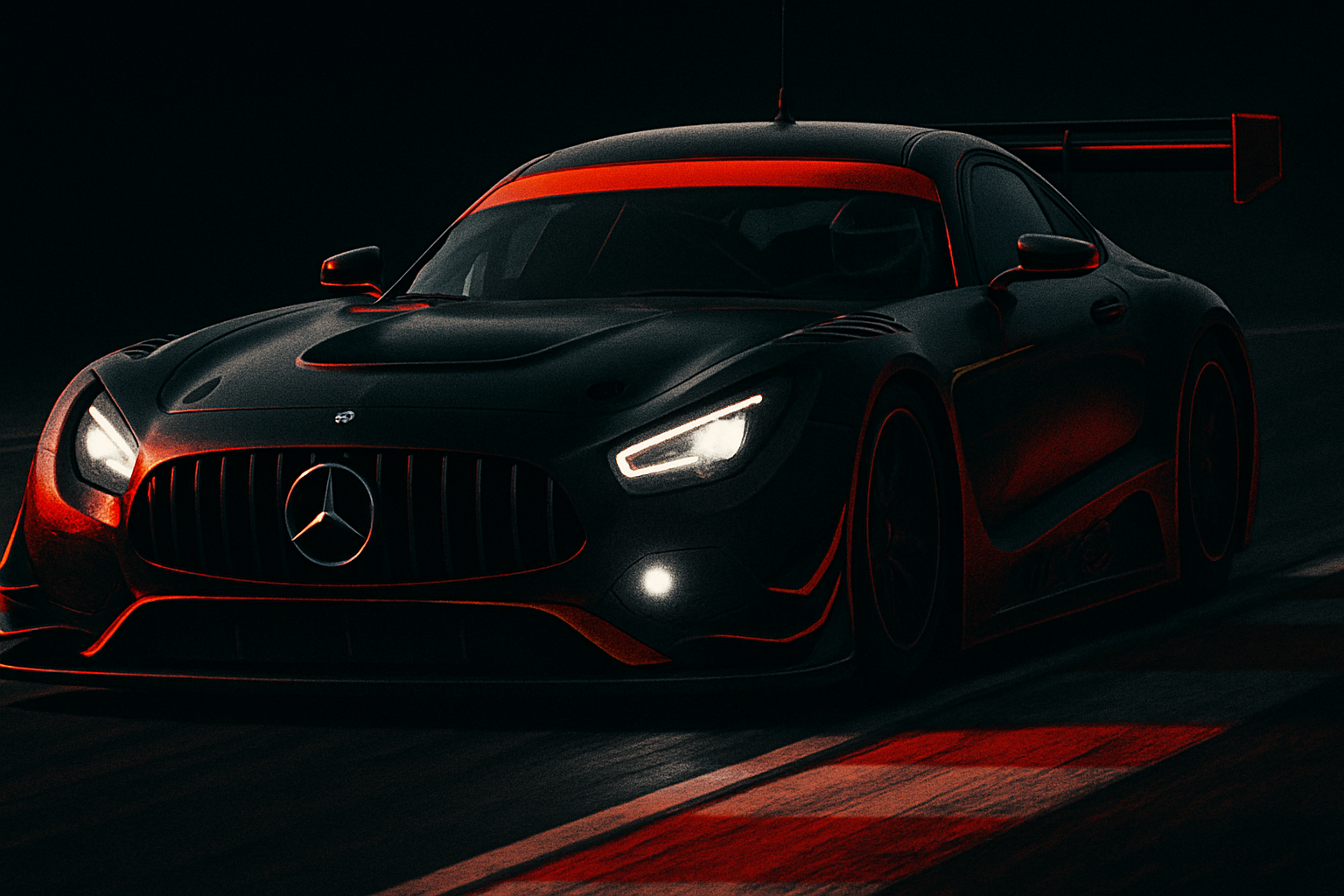
For GT drivers looking for a serious target in the second half of the season, the return of the Mercedes-AMG Motorsport Virtual Championship gives the calendar some shape. The series is set to run as a six-event, 10-round championship from August through October on iRacing, with qualification already open through Time Attack and prizes tied directly to Mercedes-AMG Motorsport experiences and hardware support source.
From our perspective, that matters for two groups at once: drivers who want a clean competitive goal, and leagues that want a timely hook for themed specials, qualifiers, or feeder series. A manufacturer-backed championship is always meaningful, but the real value here is how clearly this one can be planned around.
A real target, not just another open-ended special event
The biggest takeaway is the structure. iRacing says the championship will run from August through October, with rounds on August 5, August 19, September 2, September 30, October 14, and October 28 source. That’s enough lead time for a driver to build a focused prep block instead of reacting week to week.
Qualification is already underway via Time Attack using the Mercedes-AMG GT3 2020 at Spa-Francorchamps, and that window runs through July 19 source. For a competitive driver, that creates a very practical timeline:
- short-term: maximize Spa Time Attack pace
- mid-term: prepare for fixed-setup racecraft
- long-term: map the full six-event run before August even starts
That kind of clarity is valuable. Even if you don’t make the top split, a public manufacturer-backed program gives you a benchmark for what serious GT preparation should look like in late summer.
The format rewards adaptability, not just one-lap speed
The field structure is also worth paying attention to. According to iRacing, the fastest 36 drivers from Time Attack will form the top division, while a second 36-driver group will be created from raffle winners. After the third event, the bottom three drivers in Division 1 are relegated, top Division 2 drivers can be promoted, and new raffle winners will help refill Division 2 source.
We think that makes this more interesting than a straightforward qualify-once championship. It means the story is not over after Spa qualifying. Drivers need consistency, because position can change mid-season. Leagues can borrow that idea too: promotion and relegation creates stakes without requiring huge grids.
The race formats add another layer. Spa and Road Atlanta are 45-minute races with a mandatory pit stop, while the other events use two 20-minute sprint races. Every race uses a fixed setup source. In practice, that shifts emphasis toward three things:
- repeatable pace in fixed conditions
- racecraft in traffic and starts
- pit execution on the longer rounds
For drivers, that is a useful reminder that this isn’t only a setup competition. For leagues, it’s a ready-made event formula that is easy to explain and easy to market.
The schedule is a blueprint for AMG-themed league programming
The event list gives organizers a natural framework: Spa, Oulton Park, Mugello, Road Atlanta, Fuji, and Barcelona-Catalunya source. That’s practically a plug-and-play calendar for communities that want to ride the momentum.
We’d expect smart leagues to use this in one of three ways:
- run an AMG support series on off-weeks
- host one-night feeder races before each official round
- launch a Time Attack challenge around Spa before July 19, then pivot into fixed-setup race nights
This is where operations can become a competitive advantage. If your league can mirror the official cadence, track list, and broad format, you make it easier for drivers to train with purpose instead of splitting time across unrelated events.
The prizes matter—but the timing may matter more
The listed prizes include a Mercedes-AMG Motorsport GT Sport Experience, a Mercedes-AMG Petronas F1 Team Track Side Experience, and a Mercedes-AMG Motorsport Gaming Hardware Upgrade source. Those are high-profile rewards, and that alone should help the series cut through.
But from our side, the more durable impact is the urgency. A defined August-to-October championship with qualification live now gives drivers a reason to commit to GT3 preparation immediately, and it gives communities a current story to build around instead of a generic “summer series.”
What to do next
If you’re a driver, treat Spa Time Attack as the start of a campaign, not a standalone hotlap session. Then build a plan around fixed-setup consistency and pit-stop execution before the August opener source.
If you run a league, the opportunity is simple: package AMG-themed races, feeder rounds, or companion championships around the official calendar and make participation feel connected to something bigger.
Our takeaway is straightforward: when a manufacturer-backed championship shows up with a clear schedule, accessible qualifying path, and recognizable prizes, the best move is to organize around it early. Drivers get a sharper goal. Leagues get a promotional hook. And everyone benefits from having a competitive GT storyline that already comes with dates, format, and momentum.
Run your league on Racey. Racey is the operations platform for sim-racing leagues — automated scoring, AI-assisted stewarding, and broadcast overlays in one command center. See what it does for your role, compare it to the alternatives, check the pricing, or get started free.